
Childhood is a time of innocence and wonder, but for many, it can also be a period of adversity and emotional trauma. Adverse Childhood Experiences (ACE) have been shown to have a profound impact on our physical and emotional well-being.
The Heart ACE Connection:
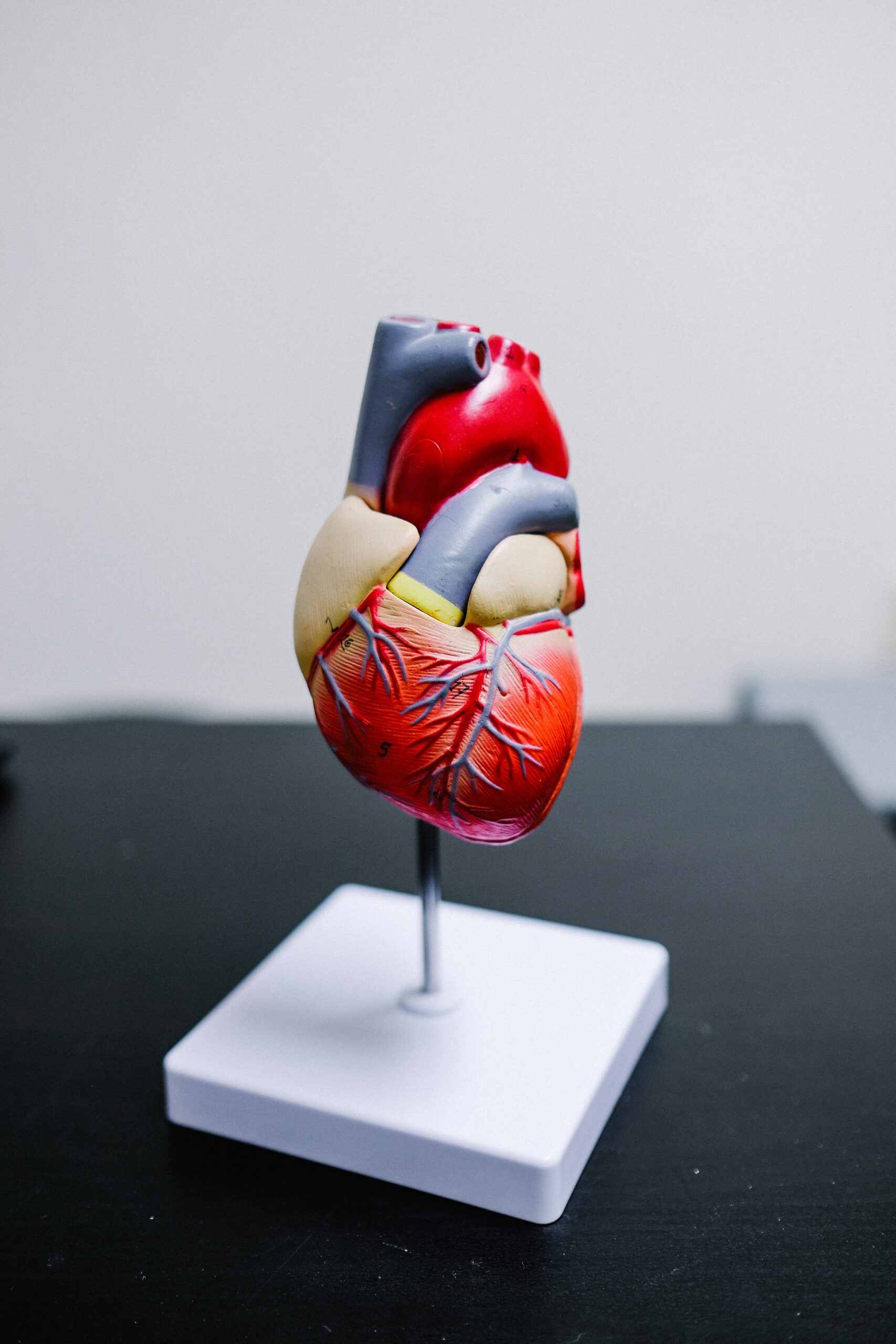
Research has unveiled a disturbing truth – the toxic stress of childhood trauma can harm your heart, leading to severe consequences in adulthood. Children who have endured adversity, such as verbal, physical, or emotional abuse, or growing up in an environment with drug or alcohol abusers, face a 50 percent higher risk of developing cardiovascular disease later in life. Moreover, those with moderate exposure to childhood trauma are a staggering 60 percent more likely to face premature mortality.
While no childhood is perfect, key traumatic experiences increase our health risks. To assess your risk, the Center for Disease Control and Prevention (CDC) created a list of 10 Adverse Childhood Experiences (ACE), as well as a simple test you can take to define your score. It investigates the connection between childhood abuse and household challenges and later-life health and well-being. You can find the test here: https://www.cdc.gov/violenceprevention/aces/about.html
How Emotional Trauma Impacts Our Physical Health:
The chronic stress of difficult early-life experiences increases the amount of cortisol in your bloodstream. This, in turn, can increase heart rate, blood pressure, weight gain and blood sugar levels. The CDC estimates that at least five of the top 10 leading causes of death are associated with ACEs.
ACEs are more common than you might think – 61 percent of adults have experienced at least one ACE, and 16 percent have had four or more. So, if your score is higher than you’d like, don’t be alarmed.
These events can make it more difficult to cope with the ups and downs of life. We might self-isolate or have difficulty regulating our anger – all of which can wreak havoc on our health and contribute to traditional cardiovascular risk factors, which include high blood pressure, obesity, inflammation, and diabetes.
We may also choose to self-medicate by drinking too much, smoking, overeating, or taking illicit drugs.
Learning to cope:
Exposure to childhood trauma, while tragic and difficult, does not have to result in poor health and damaging behaviors.
The main thing we can take do is take action to preserve our health by finding ways to manage our stress levels. Positive habits that can help are:
Here are some positive habits that can help:
- Staying Socially Connected: Building and maintaining strong social connections can provide a vital support system.
- Regular Exercise: Engaging in physical activity can help reduce stress and boost our mood.
- Good Sleep Patterns: Prioritizing quality sleep is essential for emotional and physical recovery.
- Spending Time in Nature: Connecting with nature can have a calming and rejuvenating effect.
- Stress Management Tools: Techniques like meditation, deep breathing, and yoga can help us regain control over your emotions.
ACEs affect people in all walks of life, but not everyone who has experienced them is destined to have poor health. The important thing is to recognize that childhood adversity plays a role in how we manage stress and to take the necessary steps to mitigate its impact.
Knowledge is power and will help us feel more in control of our health and our life, even if we got off to a rocky start.
Here’s to Hope,
Maryclara