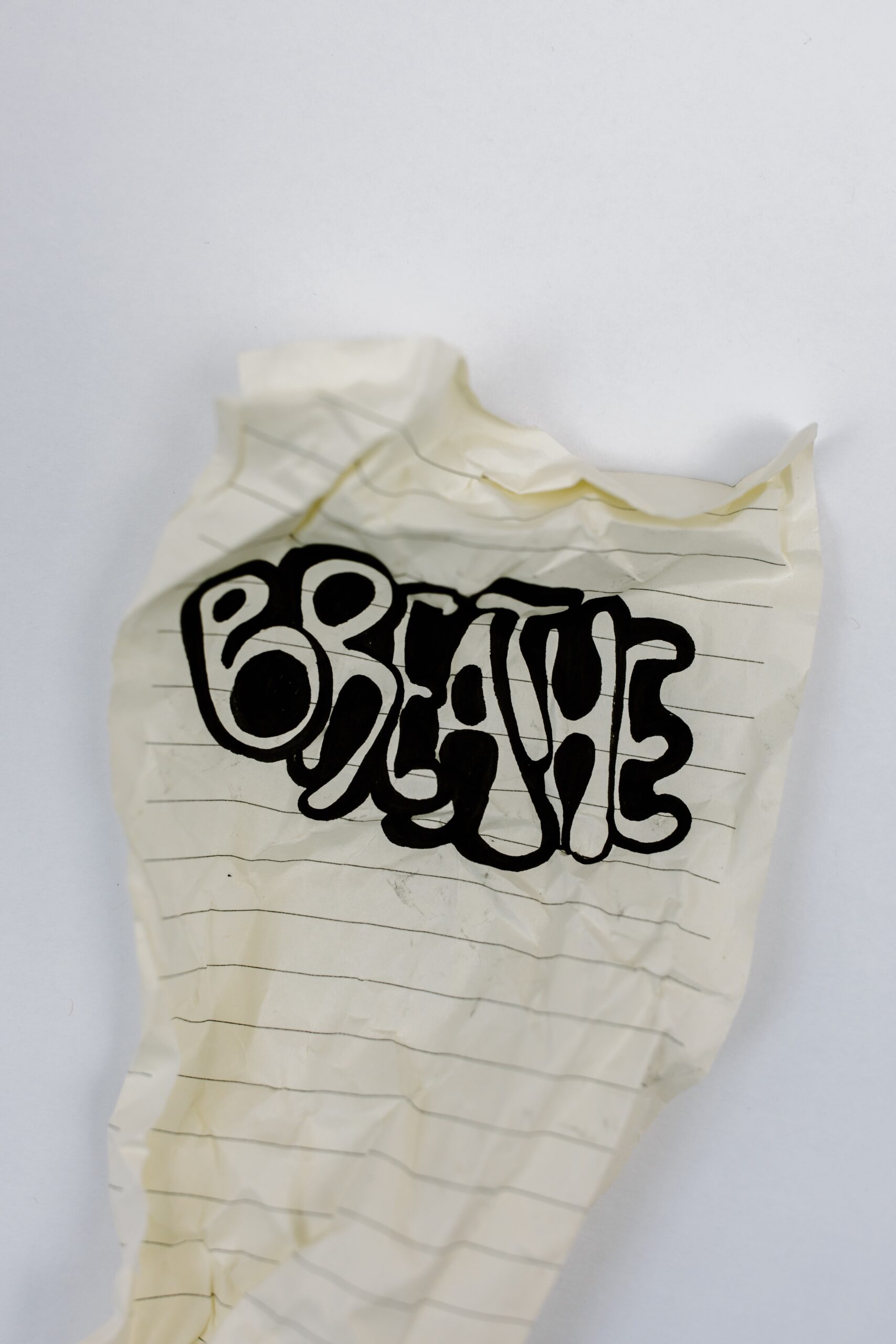
An element of healing that I have found to be essential is breathing in a deliberate way. If I had learned the use of no other tool than this one, I would still be miles ahead of where I started, as I’ve been holding my breath, off and on, all my life.
Bringing air in, and releasing it, is not as simple as it sounds for those of us who walked on eggshells, for years, while holding our breath. When I was a child and my father’s anger rang out, one reaction was to try to hide within my body. I shrank down as small as I could and breathed very shallowly so he couldn’t find me. I became an expert at crouching down and feeling out of sight.
With violence and abuse, we feel we do not own our bodies. Someone else does. The abuser can physically lift us, move us, hurt us, and control us. We use our thoughts and other methods of mind manipulation to do whatever it takes in a crisis moment to find any safety, even if it’s artificial or only perceived. We dare not expand to our full selves and take our rightful place. We are like tiny, vulnerable rabbits in a hole, trying not to be found out.
I remember, even as an adult, feeling the inability to breath fully. When I feel fearful or depressed, even now, I go into my room and close down into a ball. My eyes are down, my energy is small, contained, and inactive.
For example, a few years ago, I was going to my mother’s house for a pre-Thanksgiving dinner. I couldn’t breathe. Everything I ate sat undigested in my chest. Superficially, things seemed fine, even pleasant in the moment, but I couldn’t catch my breath, and therefore, couldn’t complete the digestion of food.
I kept asking myself: What is wrong? What is triggered? I realized I was triggered by the holiday tradition in my mother’s home. My father had long been dead, but just the situation I was in caught me off guard. I went to the bathroom and took a moment to become conscious, in real time, and self-aware. I cried and released the stuck feelings. Once the fear and anxiety dissipated, I realized I had choices. I went through a list of my tools in my mind. I chose to breath. I began deep breathing, in and out, and felt my body relax and my food starting to digest again.
This is not as easy as it sounds. It took years of practice with tool selection, and with breathing exercises to establish the habit of self-care in this way. At first, I had to teach myself how to breathe again. I started with a simple YouTube video – there are many out there. It’s not about which breathing video we choose; it’s about setting the habit and then recalling the need to use the tool in the moment that an incident occurs. I could have begun with Kundalini or any other form of breath awareness. Friends have reported breathwalk, oxycise, body flex, and breathing meditation to be helpful.
The hardest part is remembering to use the breathing tool (or any tool that might fit the situation). Once I remember, then I breath into the back of my body and ribs, not just my lungs. Turning the focus away from the inner prison and spreading out the back breaks my confinement in the rabbit hole, and the next step naturally follows. Secondly, I fill my lungs to maximum capacity, setting off reactions in my body which alleviate fearfulness. Third, my mind is distracted from the immediate trigger by the focus on the exercise of breathing.
Sometimes this is enough and appropriate to the level of trauma in the situation, and I stop here. I can rejoin the setting that triggered me in the first place. If I’m not able to do that, I can politely extricate myself from the situation without acting out.
I educated my body to the breathing technique in a structured way, when I was not in trouble, then taught myself to remember to do it off and on through the day. It soon became a habit. Now, I often catch myself taking a breath in the face of stress without my mind having to instruct my body to do so.
The breathing tool is one of degrees, even the slightest effort in this direction has yielded good results, and over my lifetime, it’s one of the most valuable tools I have.
For more on breathing, and Spiritual Breathing, see The Breathing Tool – Part 2.
Here’s to Hope,
Maryclara